When Pressure Washing Does Damage on Older Carlsbad Siding and Stucco

Back the nozzle off the wall and test on a hidden corner before washing any old house. The reasons are set out in the breakdown that carlsbad exterior painters indy grace covers for repaint prep around Carlsbad, CA, since water pressure is a repair risk as much as a cleaning tool.
Water goes where the wall lets it
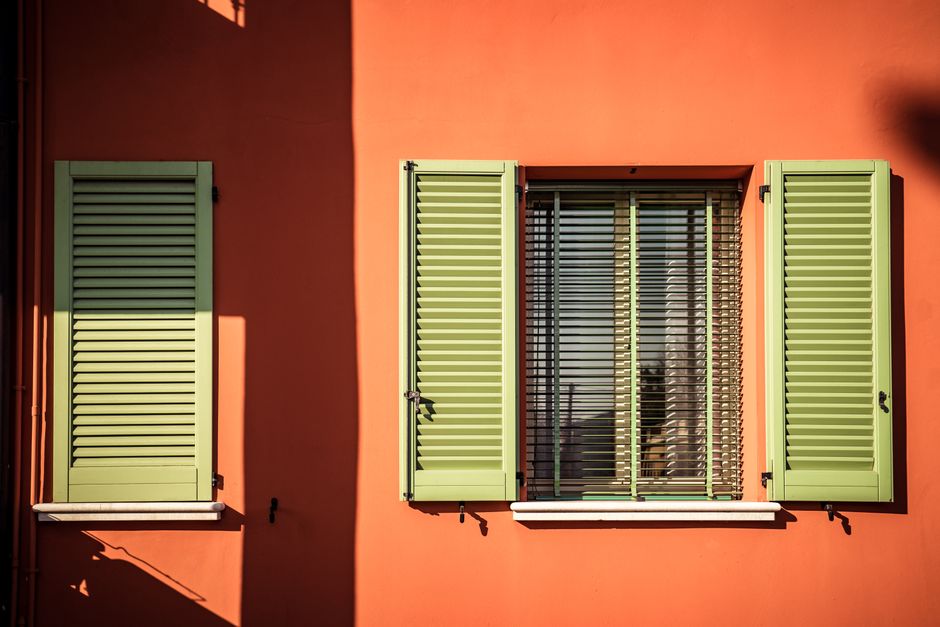
Lap siding on a 1950s cottage is not sealed against a spray aimed upward. Water driven under the laps soaks the sheathing and the paper behind it, and the wall then stays wet for weeks. Aiming the wand downward, with the spray running along the boards the way rain does, keeps the water outside where it belongs.
Soft wood strips fast

Old redwood and pine have soft summer wood between hard growth rings. A narrow, hot jet carves that soft wood out and leaves raised ridges, which show through the paint as a grainy, rough surface. Wood that is already beginning to rot loses chunks to the wand, and a washer is sometimes how a crew finds out a board was bad. Gouged boards need sanding and filling before primer.
Cracked stucco takes water in
A hairline crack in stucco acts like a straw once a spray hits it. Water goes straight into the wall cavity, and the stucco may look dry on the surface for days before the damp shows up inside. Walls with open cracks, failed caulk, or patches that have not cured should get a low pressure rinse and a soft brush with a mild cleaner instead of a jet.
Where pressure is fine
Sound concrete, block walls and the flat face of well kept stucco handle moderate pressure from a wide fan tip held about a foot away. The goal is only to take off dirt, chalk and loose paint, never to strip the surface. Houses near the lagoons and the coast collect a film of salt and grime that rinses off easily, so heavy pressure is rarely needed.
After the wash
Everything needs to dry before repairs start. Spackle, caulk and patching compound all cure badly on a wet wall, and primer applied too soon traps moisture. Once the wall is dry, loose paint gets scraped, edges get a scuff sand so the new coat has something to grip, and primer goes on the bare spots.
Mildew on shaded walls responds better to a cleaner left to sit and a gentle rinse than to force, and it should be gone before primer, because paint over living mildew grows it right back through the topcoat.